08 Dec 2017
· travel
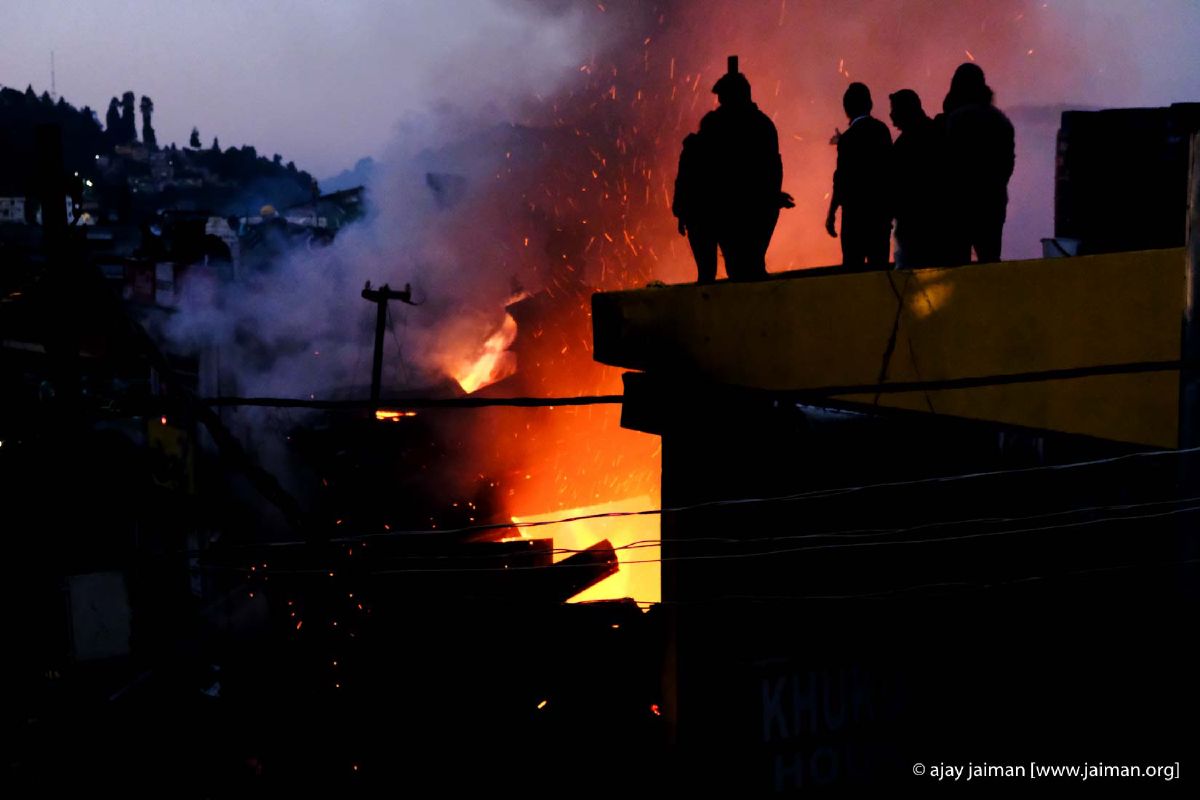
It is five in the morning and still pitch dark outside. But I am up and ready to face the winter morning chill, which admittedly, is not at its peak yet. My camera bag on my shoulder and my trusty hat on my head I am ready to leave the comfort of my hotel room. While this is a nice hotel, it is old style. No digital key swipes, just one key for an old-fashioned lock. Therefore I need to wake my wife to let me out of the hotel room and lock the door behind me.
Continue reading →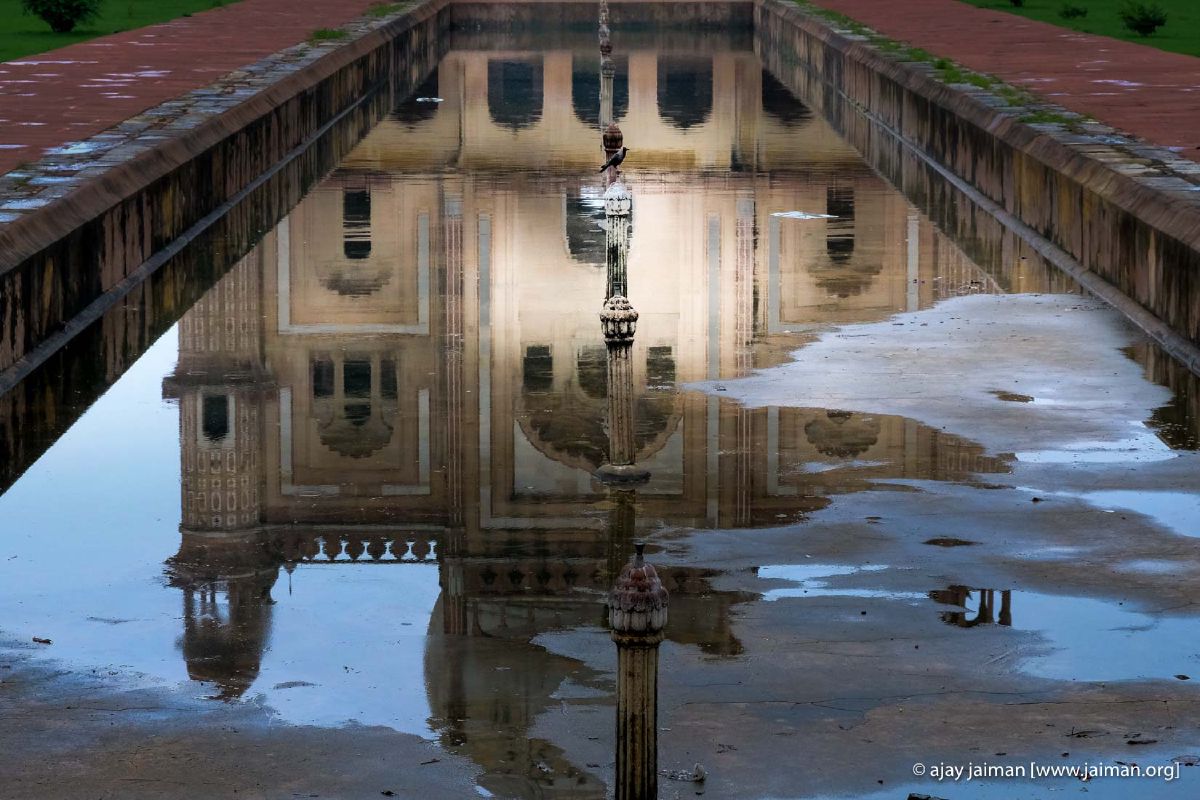
02 Jul 2017
· photo-features
Residents of Delhi, even those not terribly interested in history, are likely to be aware of the Safdarjung Tomb. Not because it is a particularly grand tomb, as mausoleum go, but perhaps because it is physically a prominent landmark, on a major road, in the middle of upmarket central Delhi.
This morning I had an hour to kill, and I decide to make some pictures there. While wandering there, two things occurred to me:
Continue reading →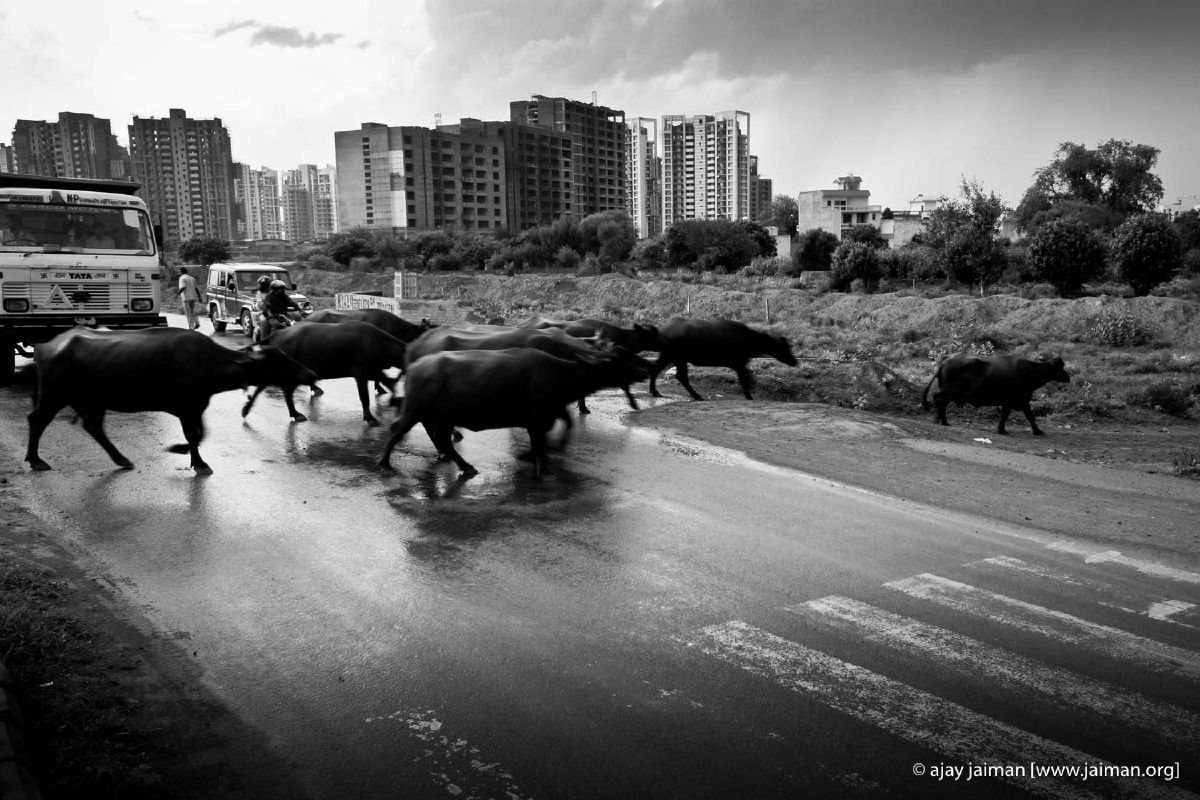
04 May 2011
· photo-features
Our documentary film was first shown as part of an exhibition & seminar ‘What makes India urban?’ at AEDES Am Pfefferberg, Berlin, a gallery that focuses on architecture.
In less than two decades, the rural landscape of Gurgaon has taken on an urban identity. Yet, without a shared vocabulary for spaces, zebra crossings are “peopled” by buffaloes and busy mall roads have “herds” of shoppers making suicidal attempts to criss-cross a sea of racing vehicles.
Continue reading →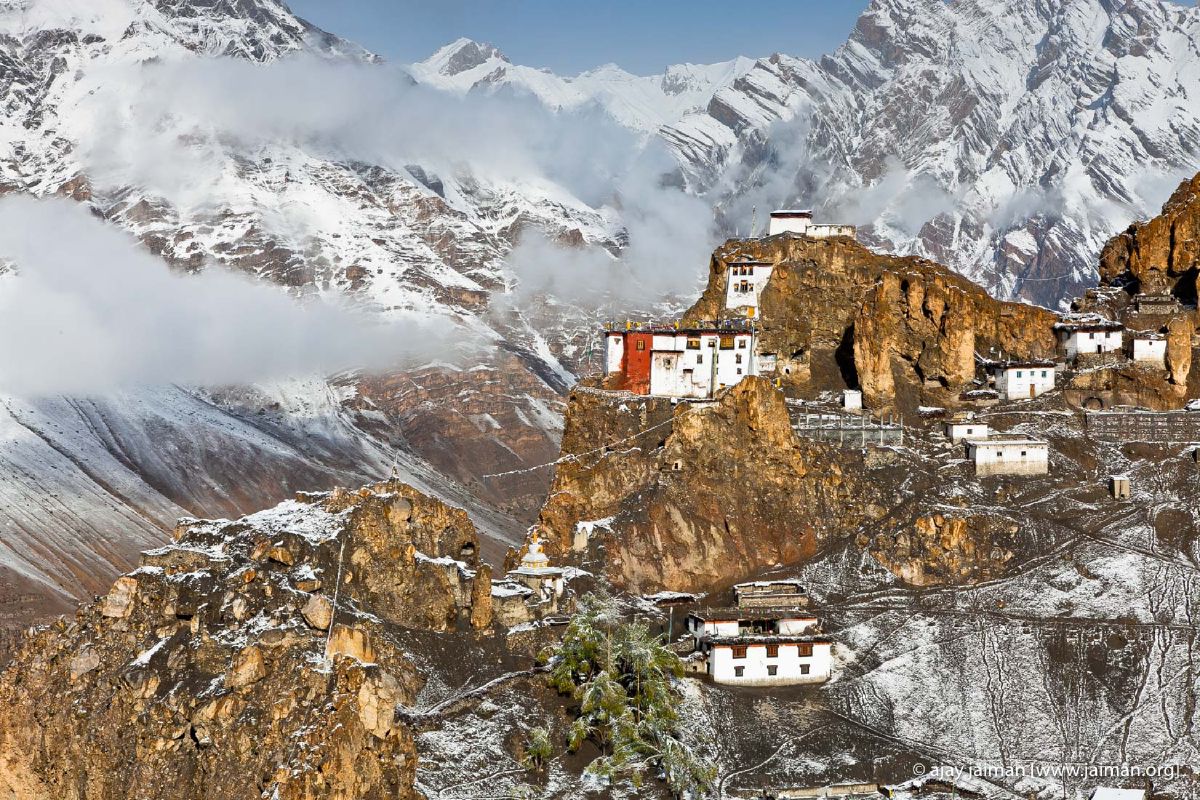
10 Jul 2010
· adventures
In June I traveled almost the entire length of the Spiti valley in the ‘European backpacker’ style. Using local buses (non-a/c with non-reclining seats), hitching rides, and hiking– from village to village and from monastery to monastery; eating in ‘dhabas’, staying in village homes, monasteries; making new friends (some of whom were perpetual travelers – they do not have a stable snail mail address)…
It is an absolutely incredible way to see the countryside. The slow pace of waiting for buses and hitches, or walking the mountains gives you all the time you want to experience the landscape in a whole different way – I should know because I have been through this valley multiple times before, but I saw it differently this time. And if you like landscape photography then the slow pace allows you to see the landscape again and again in changing lights too…
Continue reading →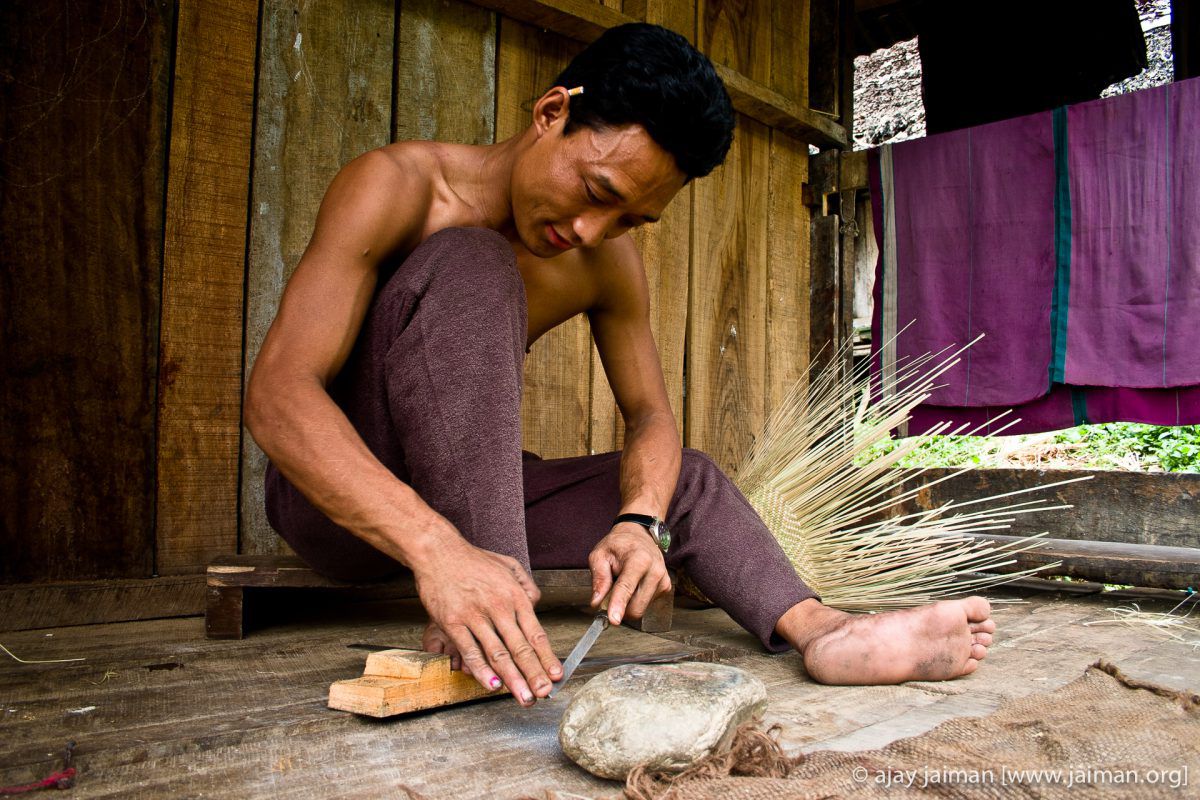
15 Jun 2010
· travel
Ziro is a quaint name for an unknown town hidden in the undergrowth of the deep jungles of Arunachal Pradesh – a state that is itself tucked away in the north-east of the country and is clearly not on the tourist map. Just the kind of place I long for
A rather upright hill in the middle of an expansive, flat valley that jostles with lush green farms and endless bamboo groves, houses this little guest house. It just sits there whitewashed plastered bamboo walls and rusted tin roof, under a glorious blue sky and stinks to high heaven. A pity? Or perhaps a minor inconvenience for keeping the geography inaccessible to people who don’t yet know how to drive without high-beam or use a camera without flash.
Continue reading →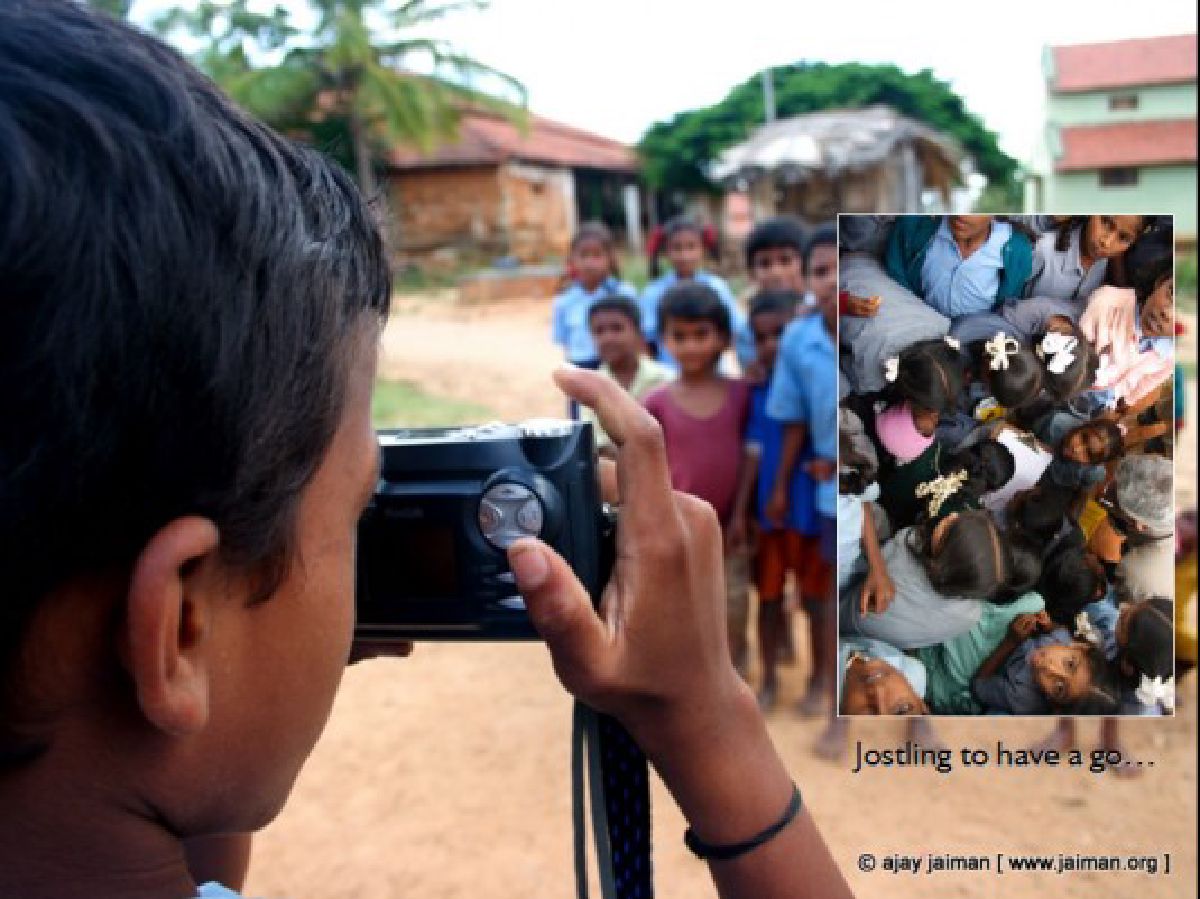
19 May 2010
· photo-features
Some years ago I had an opportunity to work with underprivileged kids across of India. One project that I really enjoyed was working with them to create a photo-documentary of their world.
Most of these kids had never seen a camera before, let alone handle one. However, they were off to a flying start within minutes of being handed over a digital camera.
You can see the photo-documentary produced by kids in rural Karnataka, however the kids in remote Ladakh or Arunachal Pradesh had equally fascinating stories to tell.
Continue reading →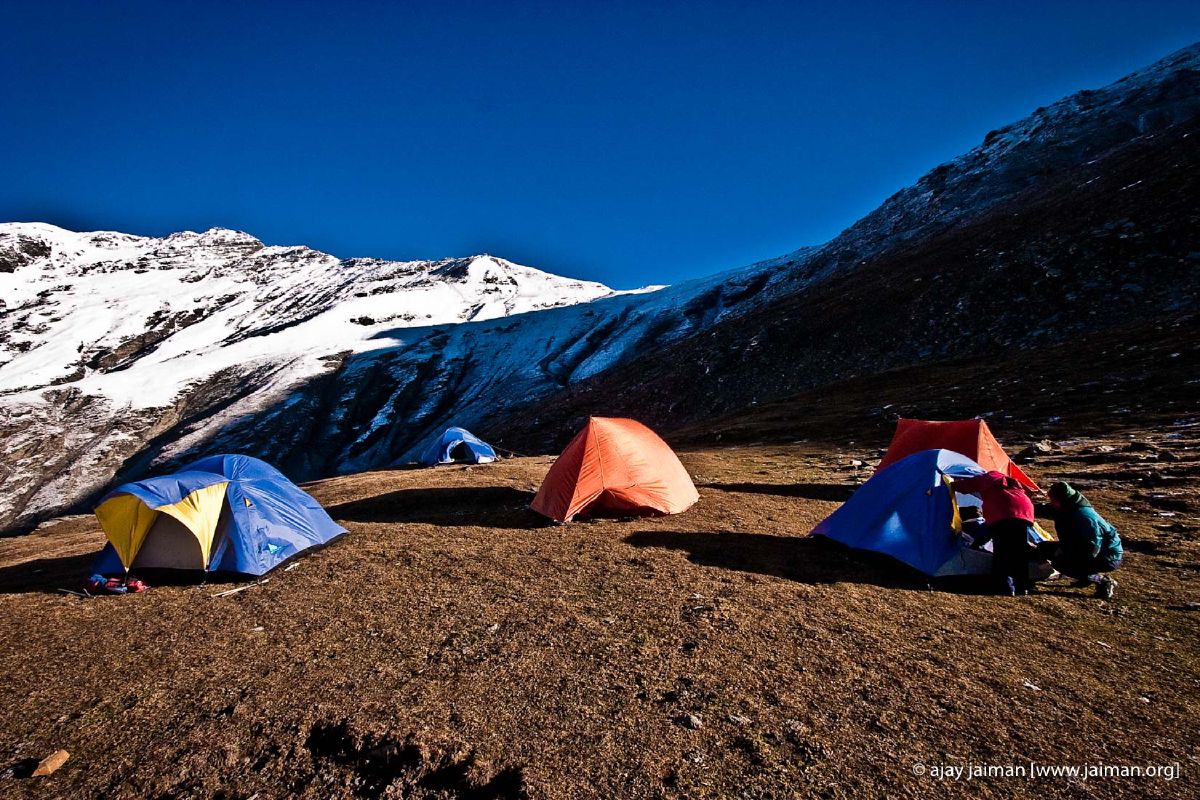
17 May 2008
· adventures
Freezing temperatures, mutinous children and kindergarten values
Educational consultant Ajay Jaiman, 40, trekked to Chandratal over the Dussehra break last year with three other families—the Bhattacharyas, the Chopras and the Chakrabartis—ranging in age from 7 to 51. Despite a recent heart attack, which has postponed a high-altitude lake expedition this summer, he has not given up on physically demanding outdoor breaks
Click on any image to view an enlarged image gallery
Continue reading →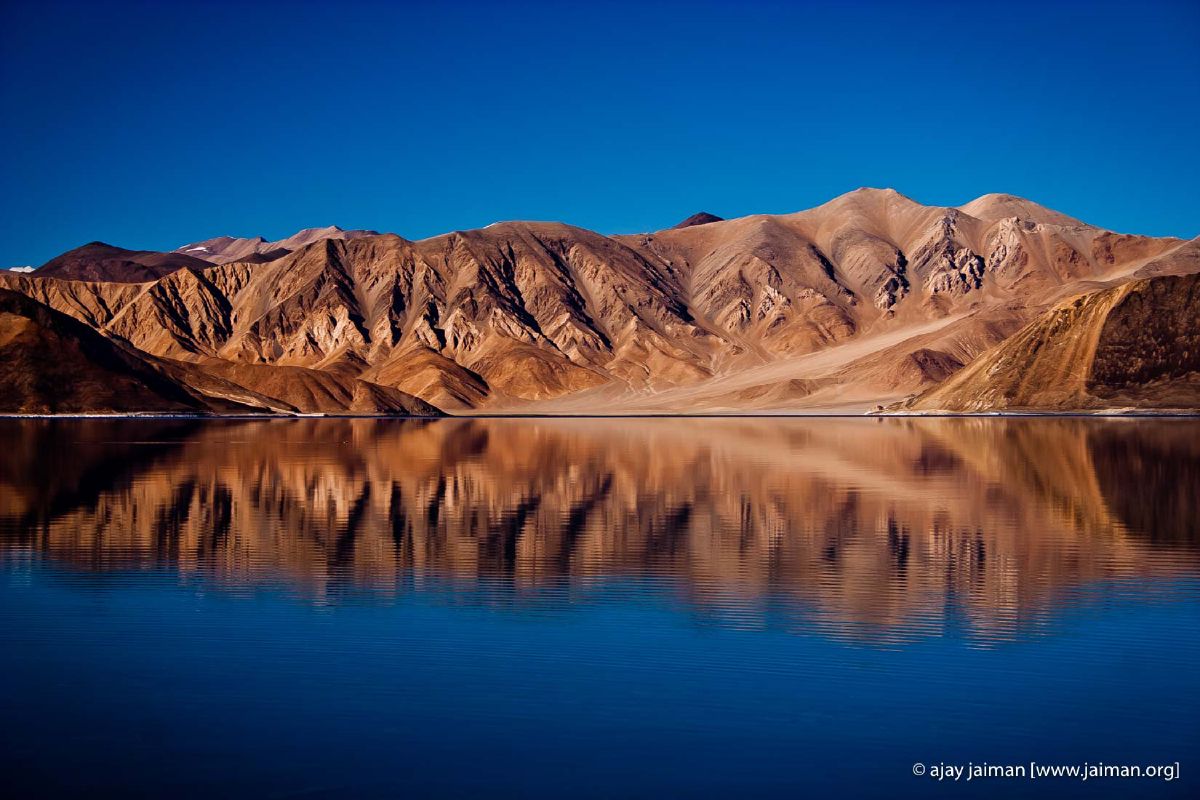
01 Oct 2006
· travel
I camped solo, by the Pangong Tso (Ladakh, India) and survived… well, not just survived, but came back with an experience that I will cherish for the rest of my life. Totally incredible! Over 4200 meters above sea level; temperature well below freezing (it was 4 degrees inside the tent at 5:30 in the morning). And there I was camped on a peninsula in one of the biggest and bluest lakes in the country, with water splashing on all three sides (wind creates almost see like waves) and the tent fluttering in the wind all night. Didn’t get much sleep. Not just the noise and cold, but also the night sky, and then the dawn.
Continue reading →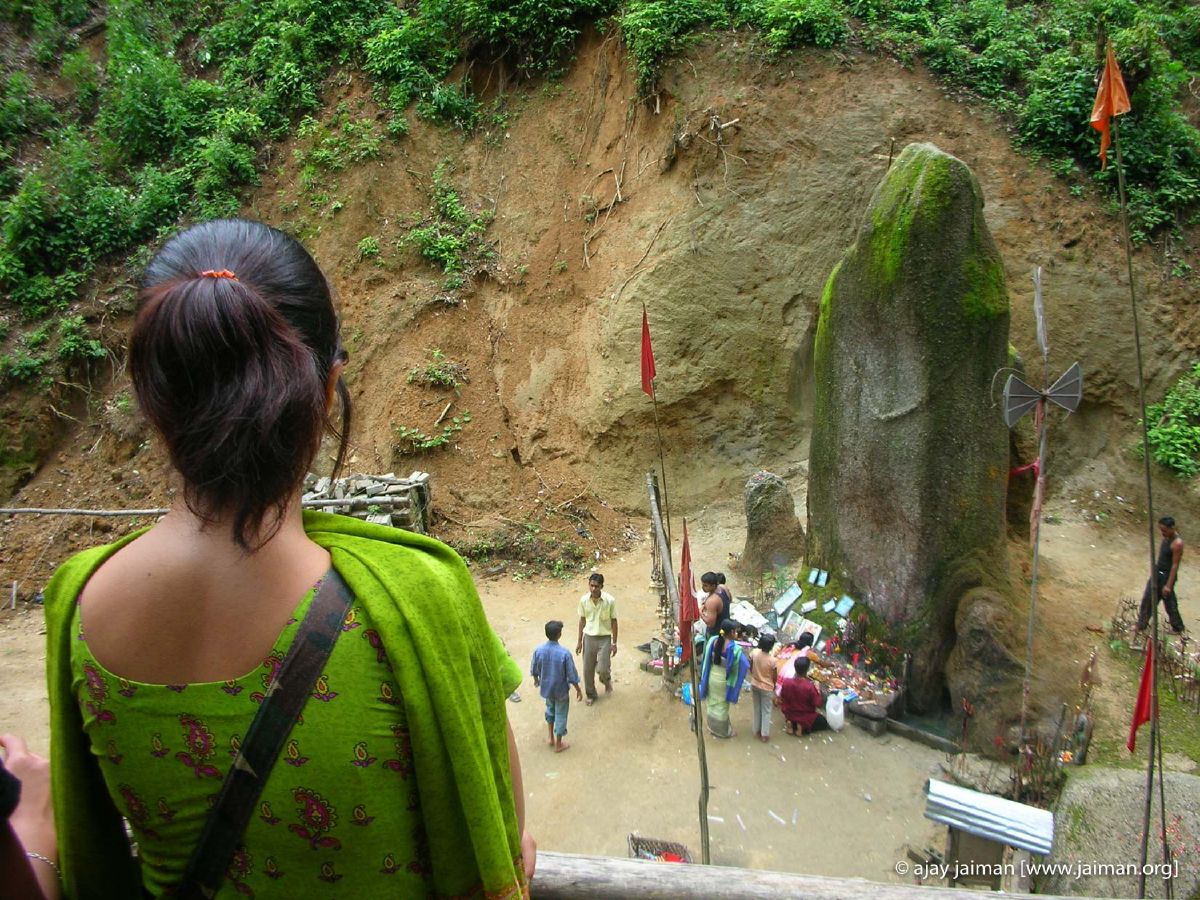
25 Jul 2006
· travel
I had heard about the 25-foot Shivling, even before I had reached Ziro. With the Amarnath story still fresh in my mind this appeared too tempting to be passed without an investigation. While little kids at the Don Bosco Church just outside my hotel practiced Sunday choir, I bought emergency food of a few chocolates, and set off for in search of the Shivling.
It was hardly a search; everybody appeared to know exactly where it was and how to get to it. Through the paddy fields, through the ‘basti’ beyond the town water supply source…
Continue reading →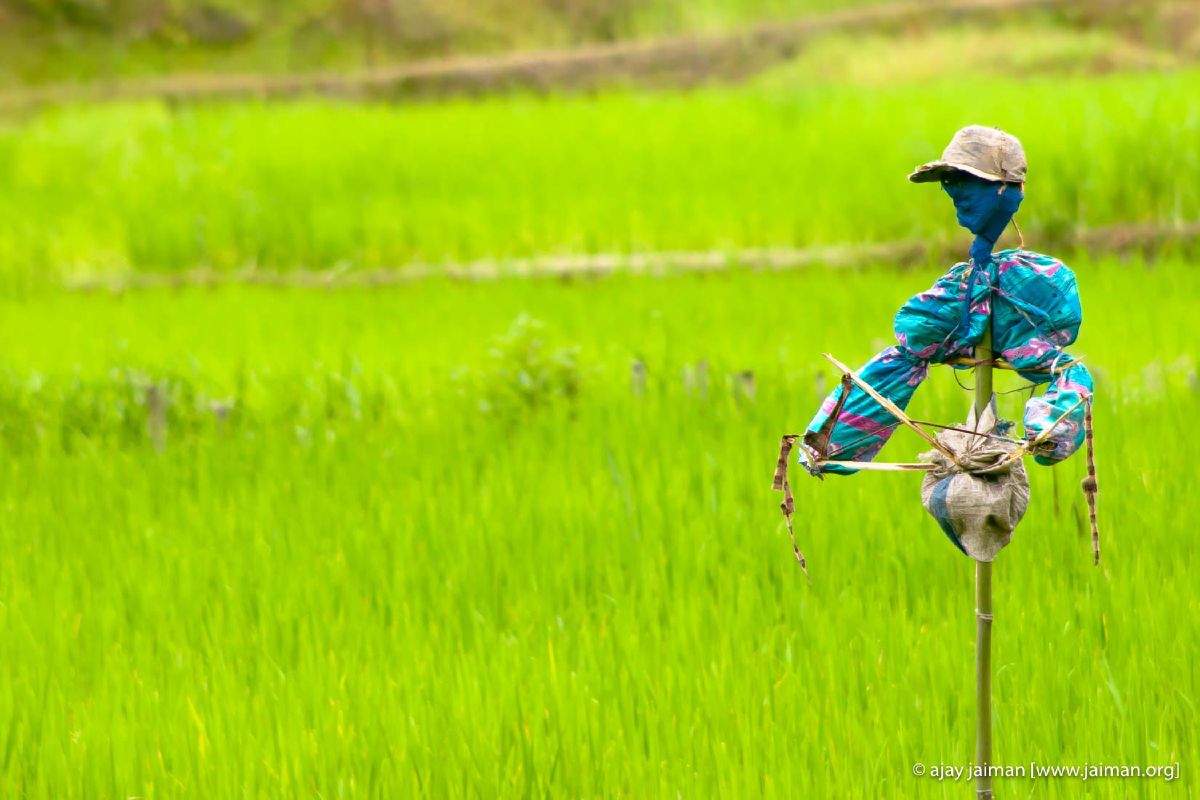
25 Jul 2006
· travel
As you drive on the well-maintained National Highway 52, given the volume or absence of traffic, you experience a serene calm. The assorted trees stand unruffled, kids play quietly in the verandahs, people appear to be talking softly or not at all, men sit bare-chested outside shops and seem to be doing nothing in particular. The Highway itself, as it snakes eastwards, appears to be snoozing in a riot of green – the fresh green of the paddy fields contrasts with the dark green of the banana groves, and the yet darker green-brown of the tall ’tambul’ trees.
Continue reading →